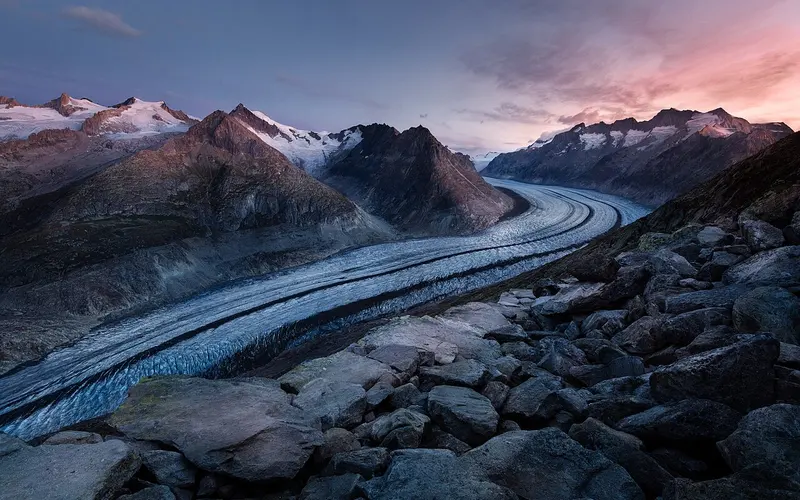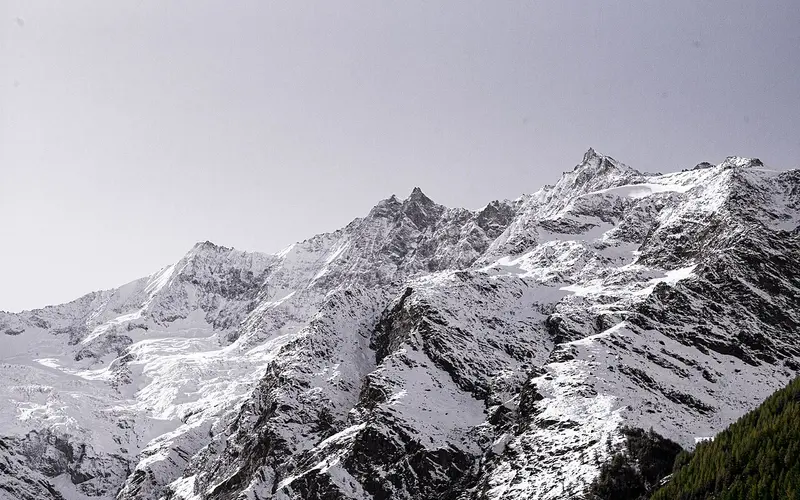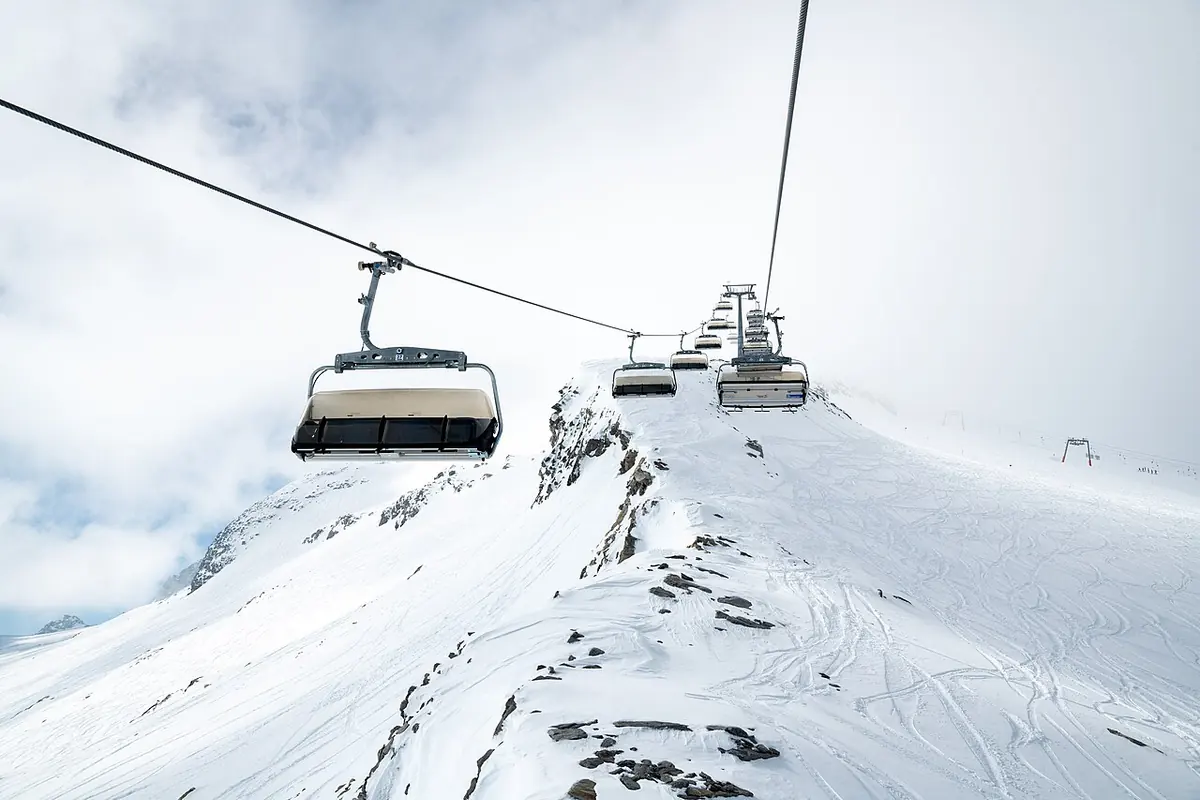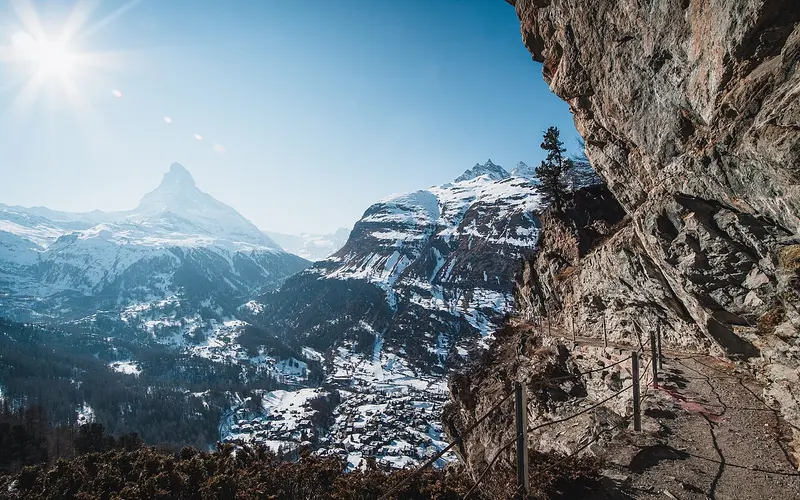
It is the news that sums up this hot summer: Zermatt Bergbahnen halted summer skiing on the Theodul glacier on 31 July 2026. With that, the slopes of the one resort that has for decades described itself as Switzerland’s only year-round ski area are standing still.
What the lift company says
The operator names a bundle of factors that go beyond a single heat peak:
- sustained high temperatures over several weeks
- no night-time cooling, and therefore no overnight consolidation of the snowpack
- repeated thunderstorms
- changed snow and glacier conditions on the Theodul glacier
CEO Martin Hug stresses that the safety of guests and staff has top priority; where the requirements for safe operation are not met, operations are adapted to the natural conditions.
There is no reopening date. The situation is reassessed daily, and operations are to resume as soon as temperatures and weather allow. Swiss-Ski squads can continue training on the glacier.
Why this is more than a heat break
What matters for skiing on a glacier is not the air temperature at the summit but whether a load-bearing layer of snow is sitting on the ice. This is exactly where the missing night-time cooling bites: without frost overnight the snow stays soft, the piste can no longer be groomed safely, and bare ice with open crevasses emerges underneath.
The summer of 2026 set this up early. The glacier loss day fell on 29 June this year, almost as early as in the record year 2022 (26 June). From that date on, Swiss glaciers stop losing winter snow and start losing substance. At the end of June, temperatures above freezing were measured even on the Dufourspitze at 4,634 metres.
That repeats a pattern we described in our analysis of the collapse summer of 2022: back then Zermatt paused for around 50 days and the Stelvio Pass stood still for two months. What counted as an exception in 2022 is becoming a recurring reality.
Where summer skiing is still possible
With Zermatt out, two addresses remain in the Alps for now:
| Resort | Country | Altitude | Status |
|---|---|---|---|
| Stelvio Pass / Passo dello Stelvio | IT | to ~3,450 m | summer operations until early November |
| Saas-Fee | CH | to 3,500 m | suspended too from 10 August |
| Zermatt | CH | to 3,883 m | suspended for now |
Why those two keep running even though both are lower than Zermatt is unpacked in our comparison of the three areas. And whether the night-time cooling is coming back is answered in the 14-day weather outlook.
If you are planning summer skiing in the coming days, check operating status the day before without fail: both remaining areas are under the same weather pressure as Zermatt. Our continuously maintained overview is in the summer skiing section.
Putting it in context
With slopes reaching 3,883 metres, Zermatt is the highest-lying resort in the Alps. When summer operations stop there of all places, it is not a local weather problem but a signal: altitude alone no longer protects you. What matters is whether the snow cover survives the summer, and fewer locations meet that condition from one year to the next.
The chronicle of abandoned summer ski areas shows how this road usually runs: first isolated pauses, then shorter seasons, and at some point the definitive end. Whether Zermatt opens again this season will be decided by the weather of the coming weeks.
We will update this piece as soon as the lift company resumes operations.
Sources: statement by Zermatt Bergbahnen of 31 July 2026, reporting by watson, Blick, Nau and Der Bund; GLAMOS/ETH Zurich on the 2026 glacier loss day.