Update, 14 August 2026: The Stelvio Pass is stopping too, from 15 August and until further notice. That answers the question in the title, though not the way it was meant when written: nowhere. For the first time, no summer skiing is running anywhere in the Alps. The full report →
Update, 6 August 2026: Saas-Fee is stopping too. The last operating day is 9 August; from 10 August the Fee glacier stands still. That leaves only the Stelvio Pass in the Alps. The table below has been adjusted accordingly. The full report →
Update, 31 July 2026: Zermatt Bergbahnen have halted summer skiing on the Theodul glacier: too warm, no night-time cooling, changed glacier conditions. There is no reopening date. The table below has been adjusted accordingly. All the background in our report →
This piece was written on 22 July, when three areas in the Alps still offered summer skiing. Within four weeks all three have gone. We are leaving it up because the chronology shows the pace, but the answer to the question in the title, since 15 August, is: nowhere.
The addresses for August
| Resort | Country | Skiing altitude | Summer operations 2026 |
|---|---|---|---|
| Stelvio Pass / Passo dello Stelvio | IT | to ~3,450 m | suspended since 15 August |
| Saas-Fee | CH | to 3,500 m | last day 9 August |
| Zermatt – Matterhorn | CH | to 3,883 m | suspended since 31 July |
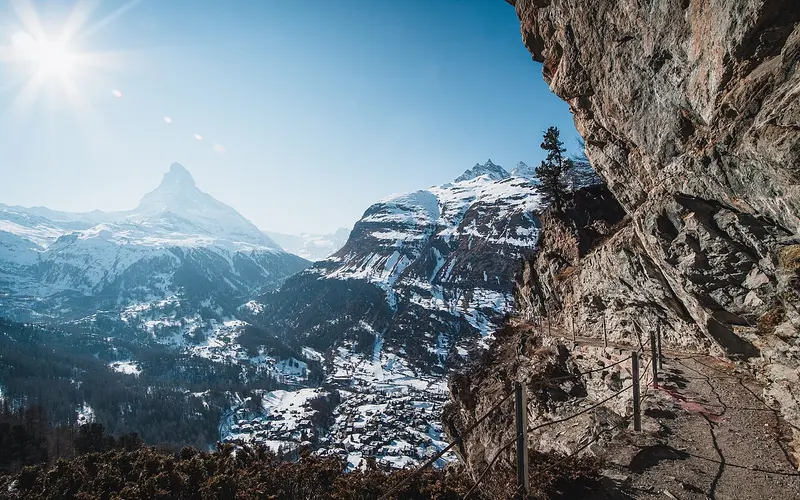
Zermatt was until the end of July the largest and highest summer ski area in Europe: on the Theodul glacier below the Klein Matterhorn, roughly 10 to 20 kilometres of piste were open depending on conditions. Operations have been at a standstill since 31 July, with the situation reassessed daily. Swiss-Ski squads may continue training.
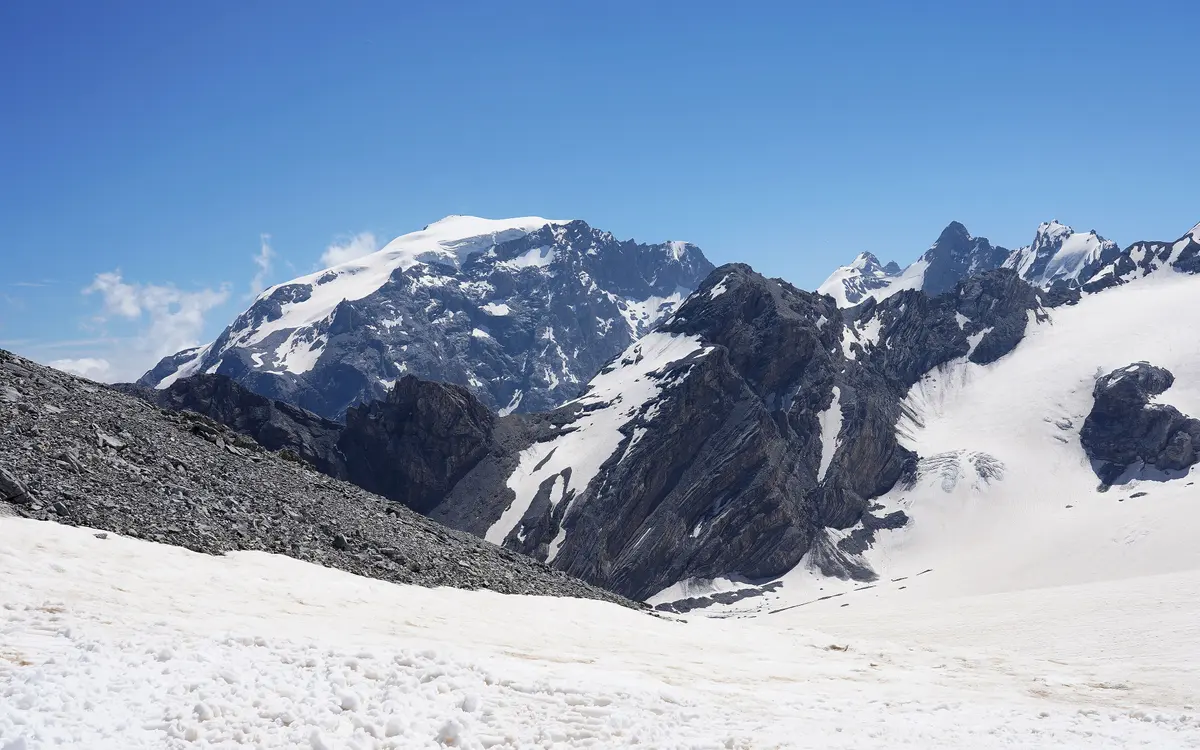
The Stelvio Pass is the classic among the pure summer ski areas: no winter operations, but skiing from late May to early November on the pass glacier. The season officially ran from 30 May to 1 November 2026, but in practice it ended on 14 August. S.I.F.A.S. cites persistent heatwaves, the absence of nocturnal cooling and frequent thunderstorms; the cable car to the glacier keeps running.
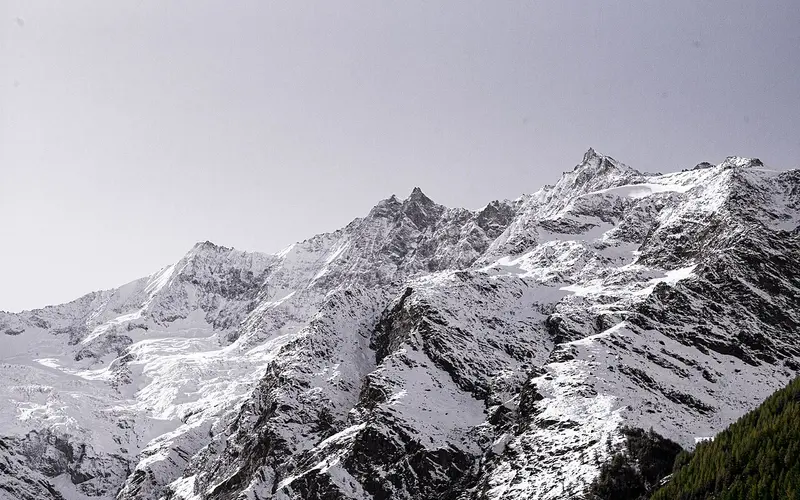
Saas-Fee started its glacier season in mid-July and is ending it again on 9 August. The plateau at 3,500 m is the autumn training mecca of the Alps – in August it still belongs to early risers and race teams; from September it gets busy.
Why Saas-Fee and the Stelvio Pass lasted longer than higher-lying Zermatt is unpacked in our comparison of the three areas.
And Hintertux? The Tyrolean glacier, marketed for decades as a “365-day ski area”, is taking an operating break in the summer of 2026 – too little demand, too aggressive a melt. A sign of the times.
The rules of summer skiing
- Get up early. The firn is hard and fast in the morning; from midday the piste turns soft and slushy. The lifts run accordingly early – in Zermatt and Saas-Fee it is over in the early afternoon.
- Check conditions. After warm nights or rain, operations can be restricted at short notice. Always check the resort’s piste report the evening before.
- Take sun protection seriously. At 3,500 m the snow reflects the August sun mercilessly. Factor 50, goggles, lip balm.
- Stay on the piste. Off the piste the glacier is crevassed – more so in summer than at any other time.
Honestly
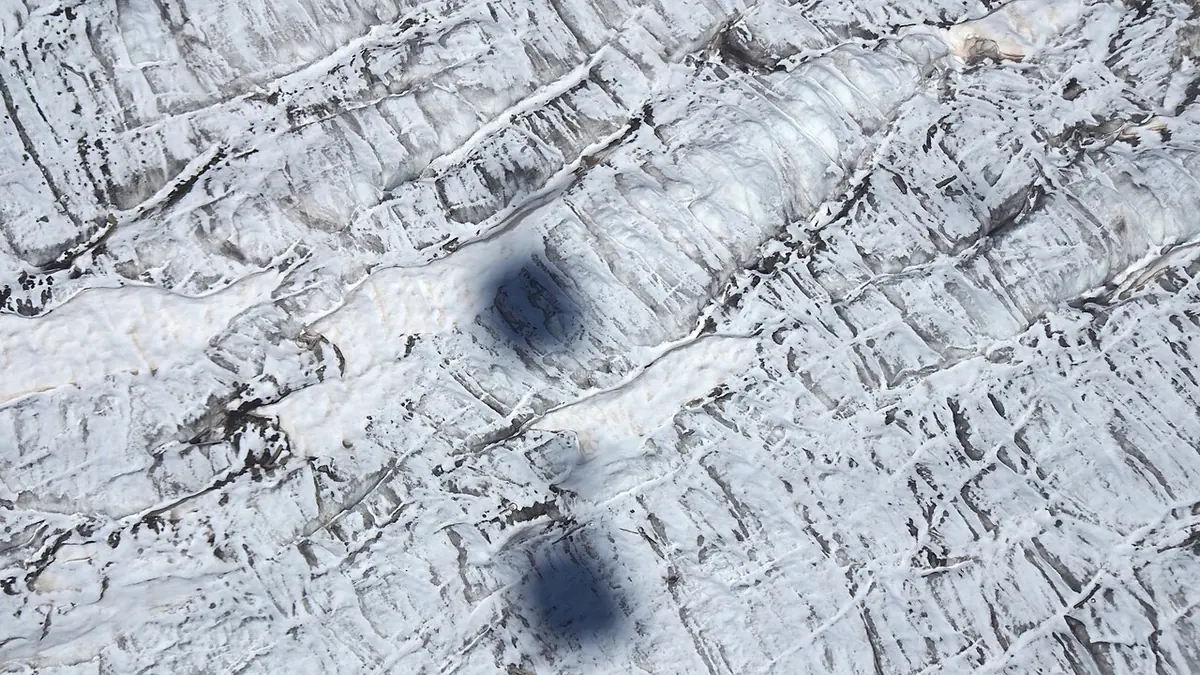
The hot summer of 2026 is hitting the glaciers early and hard – according to GLAMOS the winter’s snow reserves were already used up by the end of June (more in our glacier analysis). The shutdown in Zermatt at the end of July shows how quickly a “thin offering” becomes no offering at all. Anyone reading this when it appeared had three addresses for August turns. Four weeks later not one is left. How this summer compares with the record year 2022 is set out in our comparison of the two years.
Sources: Zermatt Bergbahnen, S.I.F.A.S. (Stelvio Pass), Saastal Bergbahnen, GLAMOS/ETH Zurich. Season data depends on the weather – the resorts’ own information is authoritative.