Ski touring is growing faster than any other winter sport in the Alps, and it has an entry problem: it looks like hiking on skis and in exactly one respect is not. The moment you leave the piste you enter terrain that can be dangerous without looking it.
The way in therefore consists not of an equipment list but of a sequence.
The four stages
Stage 1: Being able to ski confidently, including off the groomed. This is the hard prerequisite, and it is readily glossed over. A ski tour ends with a descent in snow that has not been prepared, with a pack on your back and in bindings that release differently. Anyone still working at it on a red run has a problem up there.
Stage 2: The piste tour. Ascending a groomed, open piste within operating hours. Here you learn skins, kick turns, pacing, binding handling and your own fitness, without simultaneously needing an avalanche assessment. What to observe is in our piece on piste touring, including why there is a lethal hazard outside operating hours.
Stage 3: The course. An avalanche course with the SAC, SLF-affiliated providers or a mountaineering school. Two to three days, usually residential, theory and terrain. This is the point at which a consumer of weather reports becomes somebody who can justify a decision.
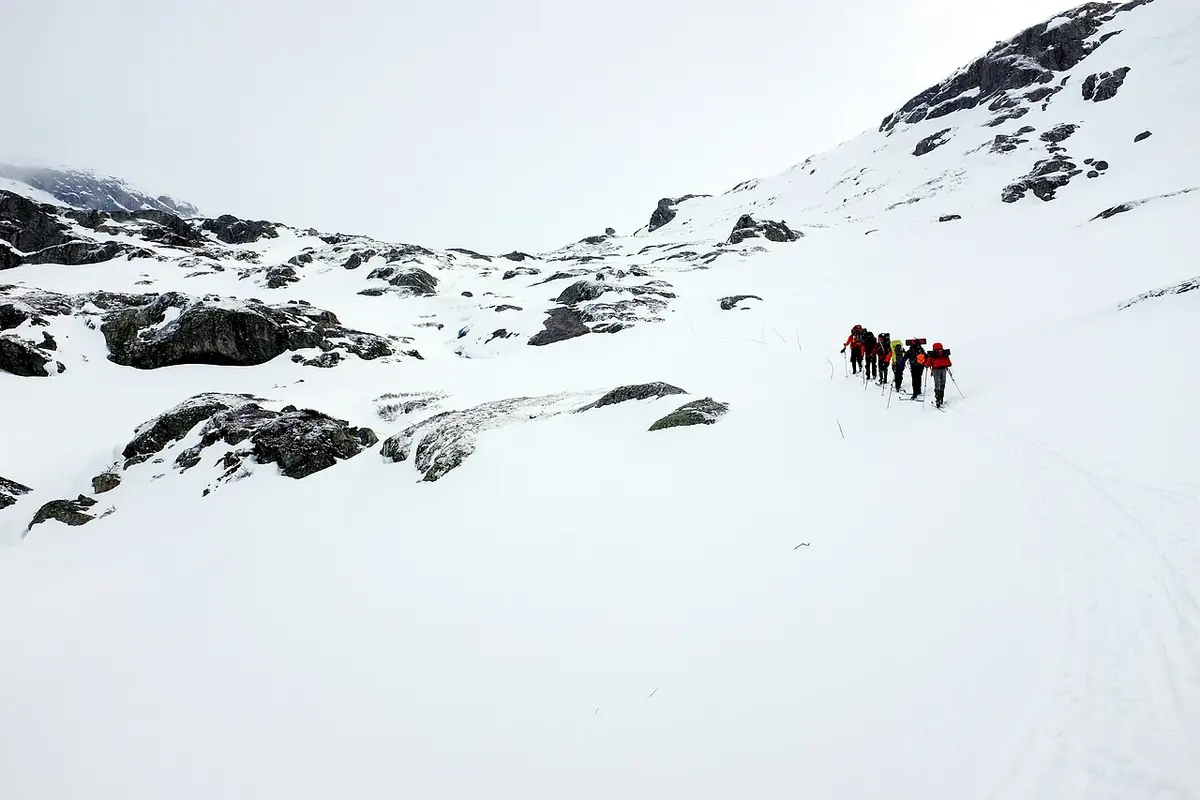
Stage 4: The first real tour, with somebody who knows how. Not alone, and not with an equally inexperienced group. Either guided or with experienced people willing to have beginners along.
That sequence is the entire content of this piece. Everything else is detail.
What it costs
The figures, so the decision rests on something. Guide values for Switzerland, winter 2025/26.
From which a clear recommendation follows for the first few outings: hire, and hire everything. Buying a complete touring set-up before you know whether you even like the sport is the most expensive route imaginable. Where the line between hiring and buying falls we have worked out separately.
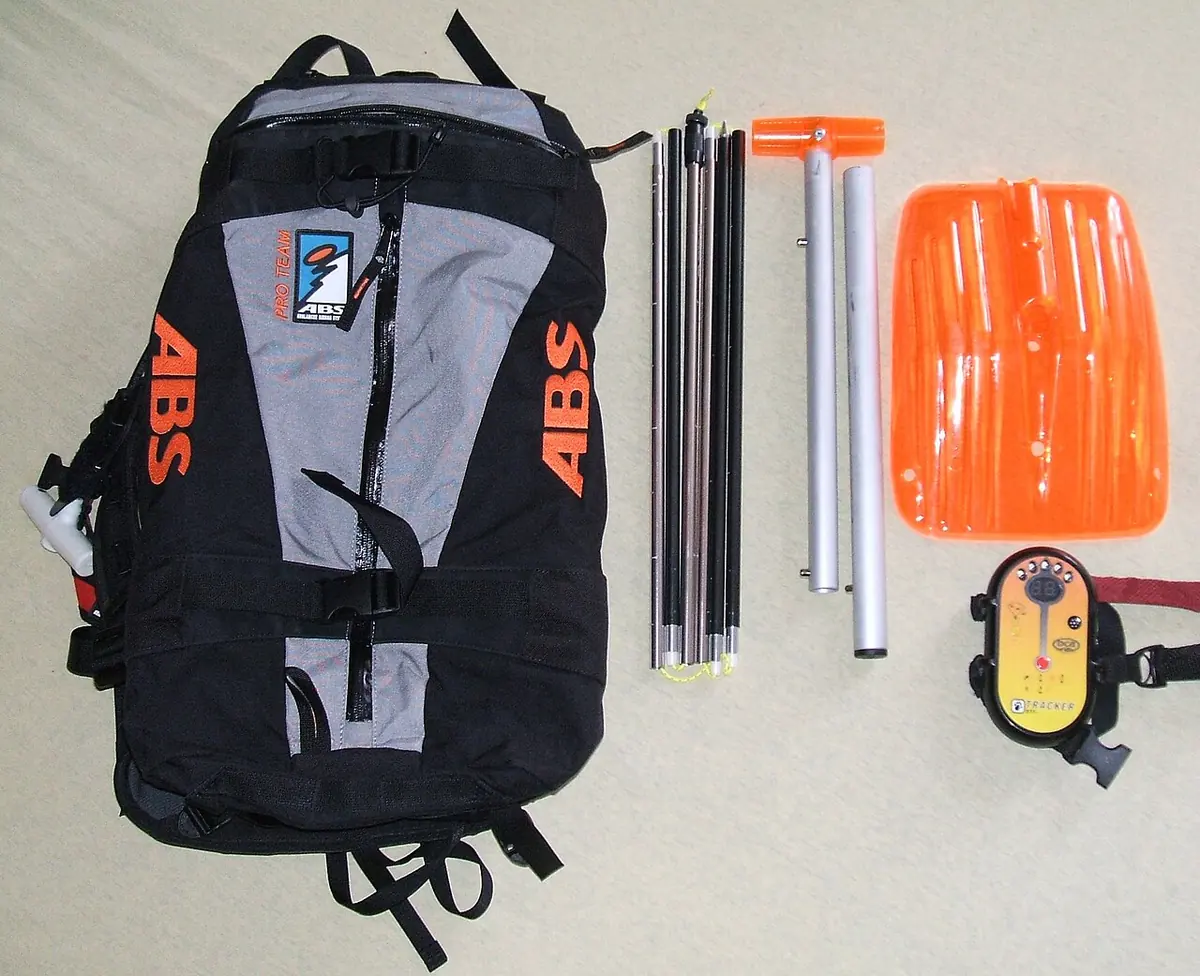
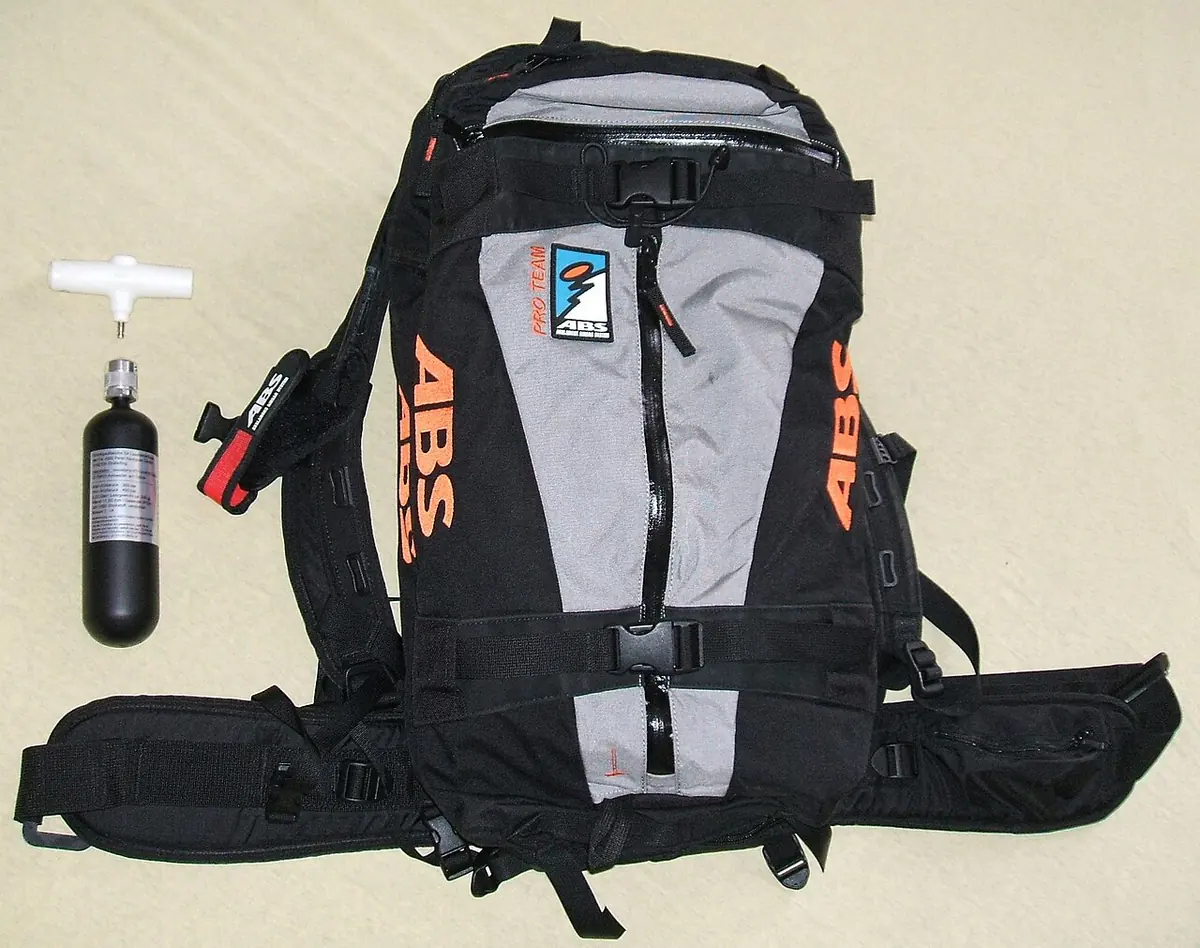
There is one exception. Anyone who knows for certain they will stick with it buys the safety kit first and the rest later. It costs the least, lasts the longest and is the one item you want to be familiar with.
The three mistakes that keep recurring
Reading equipment as permission. A complete safety kit does not reduce the probability that a slope fails. It only improves what happens afterwards. Anyone who skis a slope with a kit that they would have avoided without one has increased their risk.
Trusting the group instead of the assessment. The commonest sentence before an accident is some version of “well, the others are skiing it”. With a persistent weak layer that argument works particularly badly: a slope can be skied ten times and fail on the eleventh.
Turning back too late. The turnaround point is set at the bottom and not renegotiated at the top. Anyone who only notices on the slope that they are behind schedule has already given up the decision.
When in the year to start
A practical note that appears almost nowhere: the best time for a first tour is not midwinter but spring.
In March and April the snowpack is often better consolidated, conditions are more predictable through the day, days are long and it is warmer. The price is stricter timing, because wet-snow danger increases through the day and you therefore have to be out early.
Courses, however, make most sense in January and February, because that is when you see the difficult conditions they are about. So the order is: course in midwinter, first tours of your own in spring.
And if you just want a taste
In case the four stages sound like a lot, there is a smaller way in that we think is underrated.
A piste tour after work, on hired equipment, in an area with a marked ascent route. Costs under a hundred francs, takes two hours, requires no prior knowledge beyond skiing, and answers the only question that really matters at the start: whether you enjoy going uphill.
And alongside it, an afternoon at one of the more than twenty avalanche training facilities in Swiss ski areas. Use is mostly free with a lift pass. Anyone holding a transceiver for the first time there and running the clock understands within a quarter of an hour why stage 3 above is not optional.
Sources and caveats
- Prices: Swiss specialist retail and course providers, as of August 2026. Hire and course prices vary considerably by location, provider, duration and season; the ranges are guide values and not offers.
- Safety-kit purchase price from CHF 579 according to our own breakdown of avalanche equipment.
- Rules for piste touring according to the joint recommendations of Seilbahnen Schweiz, the SAC and the BFU.
- The recommendation to start in spring is an assessment, not a rule. Spring conditions are on average more predictable, but wet snow and warmth bring their own problems, particularly through the course of the day.
- The four stages are our depiction of a way into the sport, not the curriculum of any federation.
This piece describes a route into the sport and is expressly not training. It replaces neither an avalanche course nor a guided tour. Training is provided by the SLF and the SAC, in the terrain and with practice in the snow.