The piste tour is the most underrated entry point into ski touring. You need no avalanche assessment, no route finding and no terrain reading, because the route is marked and the area is secured. You need equipment, fitness and a willingness to walk uphill where everybody else is coming down.
Which raises the question that is answered wrongly surprisingly often: is it even allowed?
The short answer
In Switzerland, skinning up pistes is generally permitted, provided you keep to five rules. They were issued jointly by Seilbahnen Schweiz, the Swiss Alpine Club and the Swiss Council for Accident Prevention.
That is not a given. In Austria and Italy the position differs by area and region, in some cases with outright bans. Anyone crossing a border should not assume otherwise.
At the same time: the area can restrict it. Individual pistes can be closed to uphill traffic, ascent routes can be prescribed, and in some cases fees charged. The general rule is permitted; the exception is not everywhere.
The five rules
Ascend at the edge of the piste, in single file. Not side by side, not up the fall line, not in the middle. Anyone coming down is moving fast and does not expect oncoming traffic.
Observe closures, always and everywhere. A closed piste is closed to those going up as well. It is usually being groomed or blasted.
Not outside operating hours. This is the rule the rest of this piece is about, and the one most often broken.
Follow the instructions of staff. The piste service knows where work is in progress.
Stay on ascent routes where they exist. More and more areas mark them, some with their own signage.
Why night-time is not a minor infraction
Here a house rule turns into a safety matter, and this is the part worth reading once.
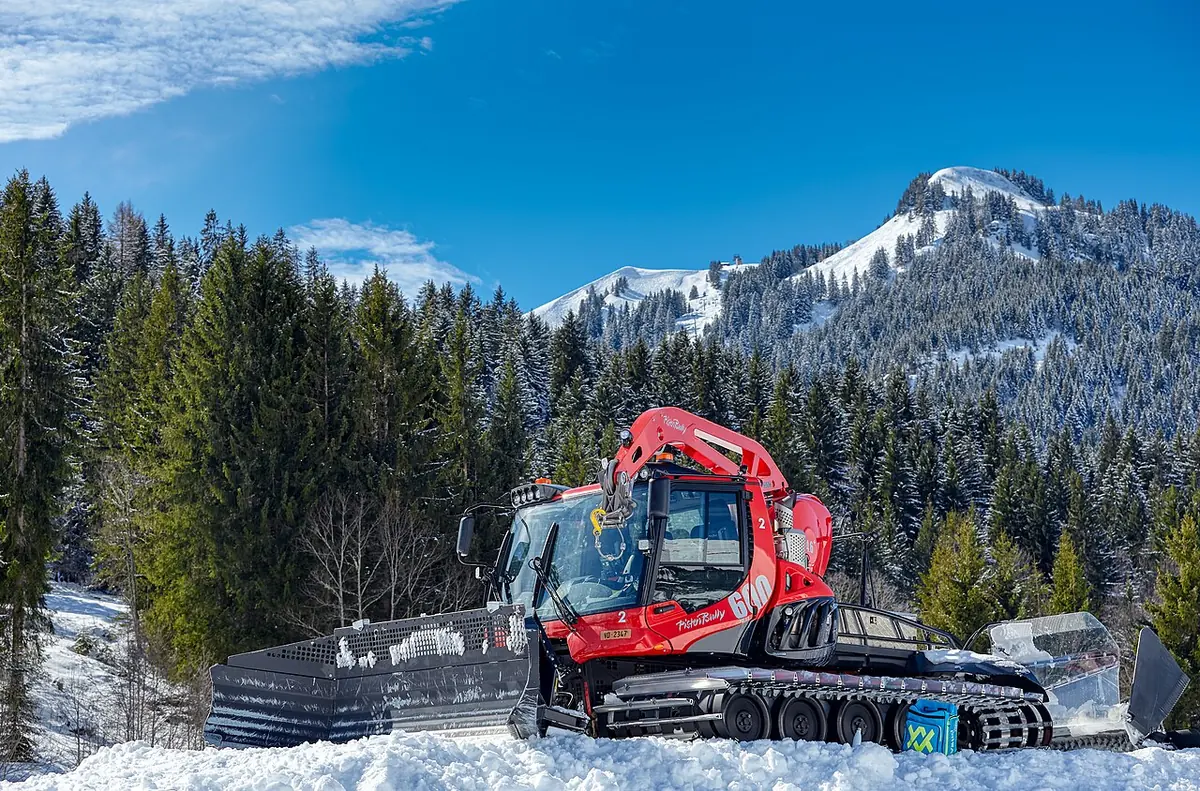
After closing time the grooming begins. Steep pistes are worked with a winch: the machine hangs on a steel cable anchored far above, which can be several hundred metres long. That cable lies on or hovers above the piste, it moves with the machine, and in the dark it is essentially invisible.
On top of that: avalanche blasting also happens at night. Securing an area for the next morning is done when nobody is around. Anyone out in the terrain then is in a zone somebody is deliberately releasing.
And third: a grooming machine is loud, has a large blind spot and a long stopping distance. At ten in the evening the driver is not expecting pedestrians.
What the piste tour is nonetheless good at
After all that warning, the other side, because the piste tour has solid advantages and they are the reason it has become so popular.
It separates the two learning tasks. Ski touring has a physical component and an assessment component. On the piste you can learn the first without needing the second. Anyone out on skins for the first time has quite enough to do with kick turns, pacing and binding handling.
It is weather-independent. At danger level 4 there is no backcountry tour; a piste tour there is.
It is reachable. Many areas lie under an hour by train from the big cities; our travel-time lists from Zurich, Bern, Basel and Geneva are sorted by journey time. An after-work ascent is therefore realistic, provided it falls within operating hours.
It is the competitive sport. What has become Olympic is exactly this: ski mountaineering racing, at its core an ascent on secured terrain. At the 2026 Winter Games Marianne Fatton won gold for Switzerland.
And the equipment?
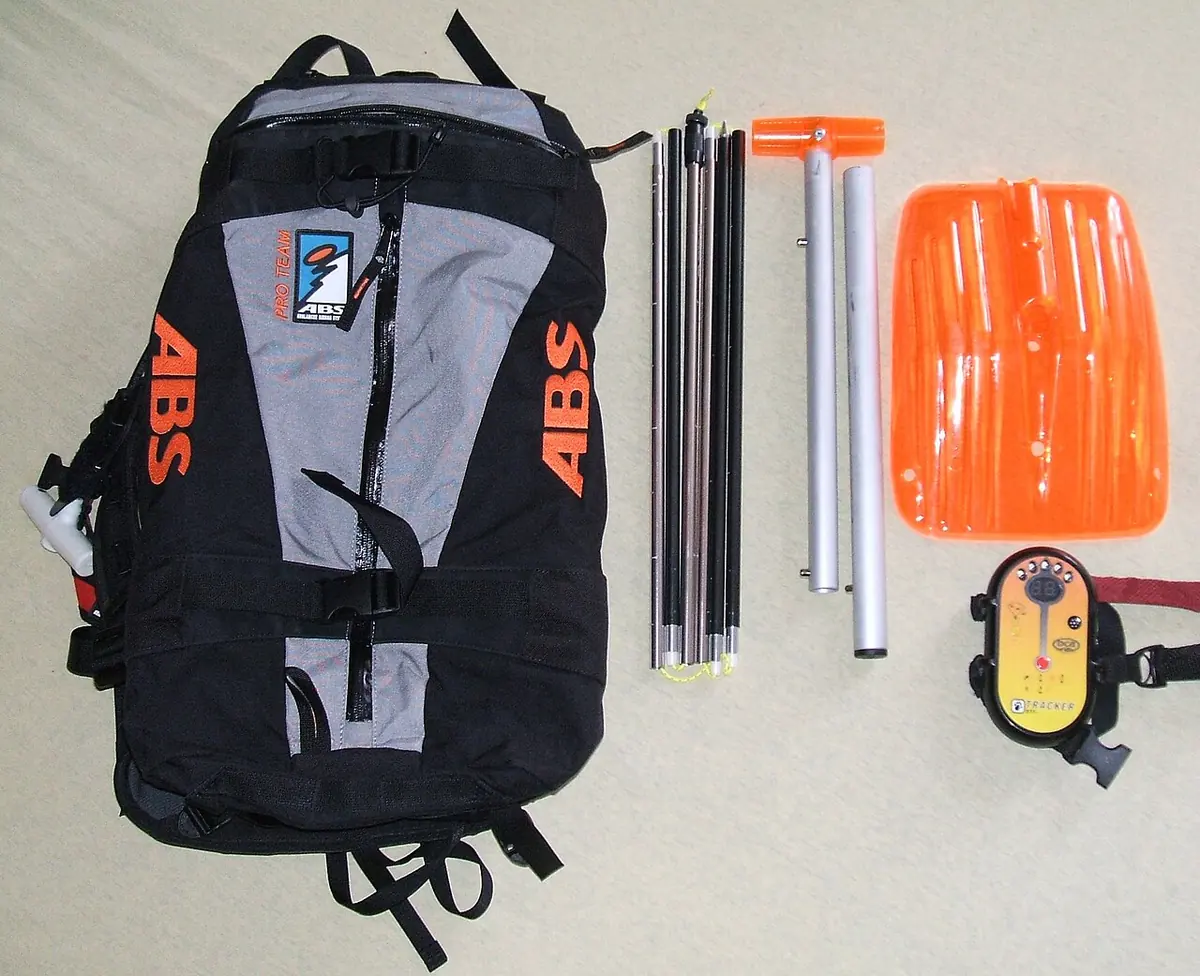
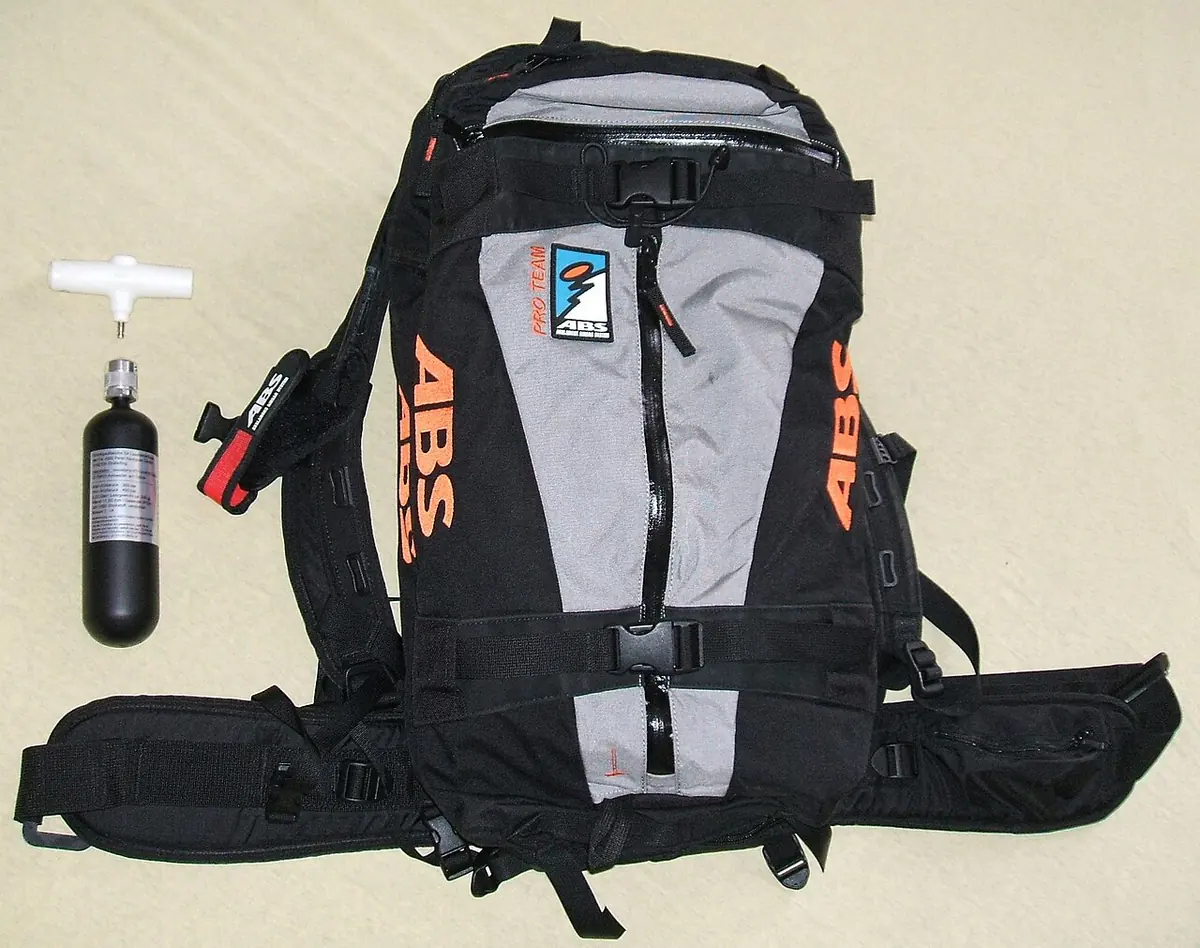
On a groomed, open piste within operating hours no avalanche equipment is needed, because the area is secured. That is the only case in touring where this sentence is true.
The moment you leave the edge of the piste it no longer holds, and it stops holding immediately. In many places the transition is a single step, and it changes the risk class entirely. What belongs in the pack then is set out in our breakdown of avalanche equipment.
What does belong even on the piste: a head torch, a warm layer for the descent, and knowledge of the area’s operating hours. Going up warms you; coming down chills you.
Sources and caveats
- Seilbahnen Schweiz, SAC and BFU, joint rules for ski touring on pistes. Generally permitted if the rules are observed; ascend at the edge of the piste and in single file; no ascent or descent outside operating hours; closures must always be observed; individual areas may close pistes, prescribe ascent routes or charge fees.
- FIS rules for conduct on pistes, in particular on ascending at the edge.
- On the hazard after closing time: grooming with winches whose steel cables are several hundred metres long and barely visible, and artificial avalanche release also at night.
- The rules differ considerably between Switzerland, Austria and Italy. This piece describes the Swiss position.
- Whether a given area marks ascent routes, charges fees or closes individual pistes is set by the area itself and changes from season to season. There is no central register for this; what counts is the area’s own information.
This piece describes the rules and hazards of ascending on pistes. It is not touring training. For the backcountry you need a course with the SLF and the SAC.