We have run this question before for ordinary ski equipment: renting versus buying ski gear. For touring equipment the same calculation comes out differently, for three reasons that all point the same way.
The bare calculation
Around 25 days. That is the number, and it is about as useful as being told a car is cheaper than taxis after 200,000 kilometres. True, but not the decision.
Why the number misleads
First: hardly anybody does 25 touring days. A ski season in Switzerland means five to seven ski days in total for most people. Somebody starting out might manage three to six touring days in their first winter. The break-even therefore lies not in days but in four to five seasons.
Second: the equipment ages in the meantime. Skins lose their glue, touring bindings are wear items, and boot technology has changed more over the past ten years than alpine boots have. After five seasons some of the kit is no longer what you would buy today.
Third, and this is the real reason: when starting out you do not yet know what equipment you need. A light ascent ski and a descent-oriented freeride ski are different tools. Anyone who buys first and works out afterwards what they actually do buys twice.
The exception, and it matters
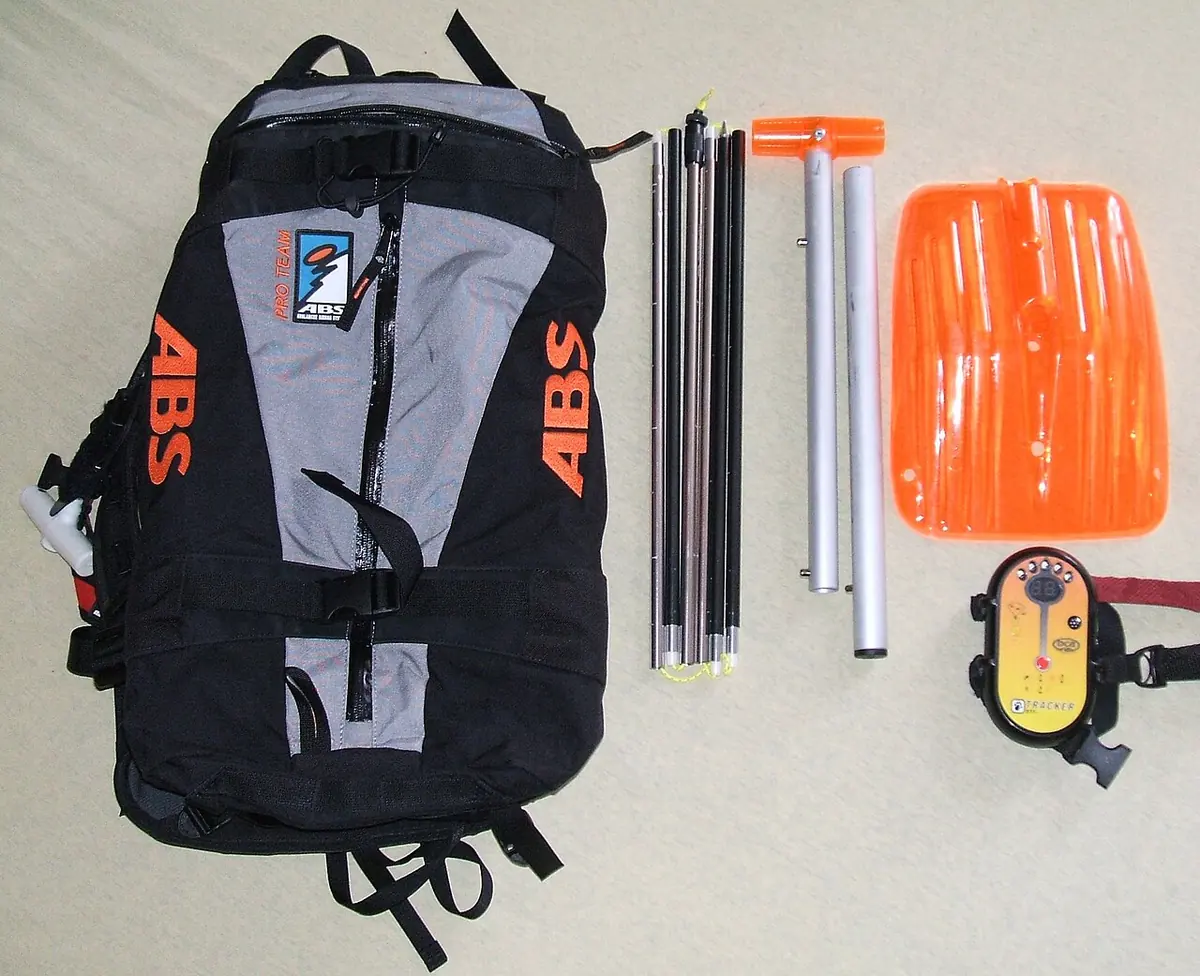
One part of the kit does not belong in this calculation, and it is the cheapest one: the emergency set of transceiver, probe and shovel.
It costs from CHF 579 as a set, less than half the touring set-up, and there are three reasons to buy it first anyway:
You have to know it. A transceiver is operated under time pressure and in panic. Every model has a different menu, different signals and different behaviour with multiple burials. A hire device unpacked for the first time in the car park is slower in an emergency, and time is the only quantity that counts in the survival curve.
You can practise with it. Over twenty Swiss areas have a practice facility, mostly free with a lift pass. That presupposes owning a device.
It lasts longest. A transceiver needs replacing after eight to ten years, a probe and shovel essentially never. Over its service life it is by far the cheapest item.
What the set does in detail is in our breakdown of avalanche equipment.
The airbag is a special case
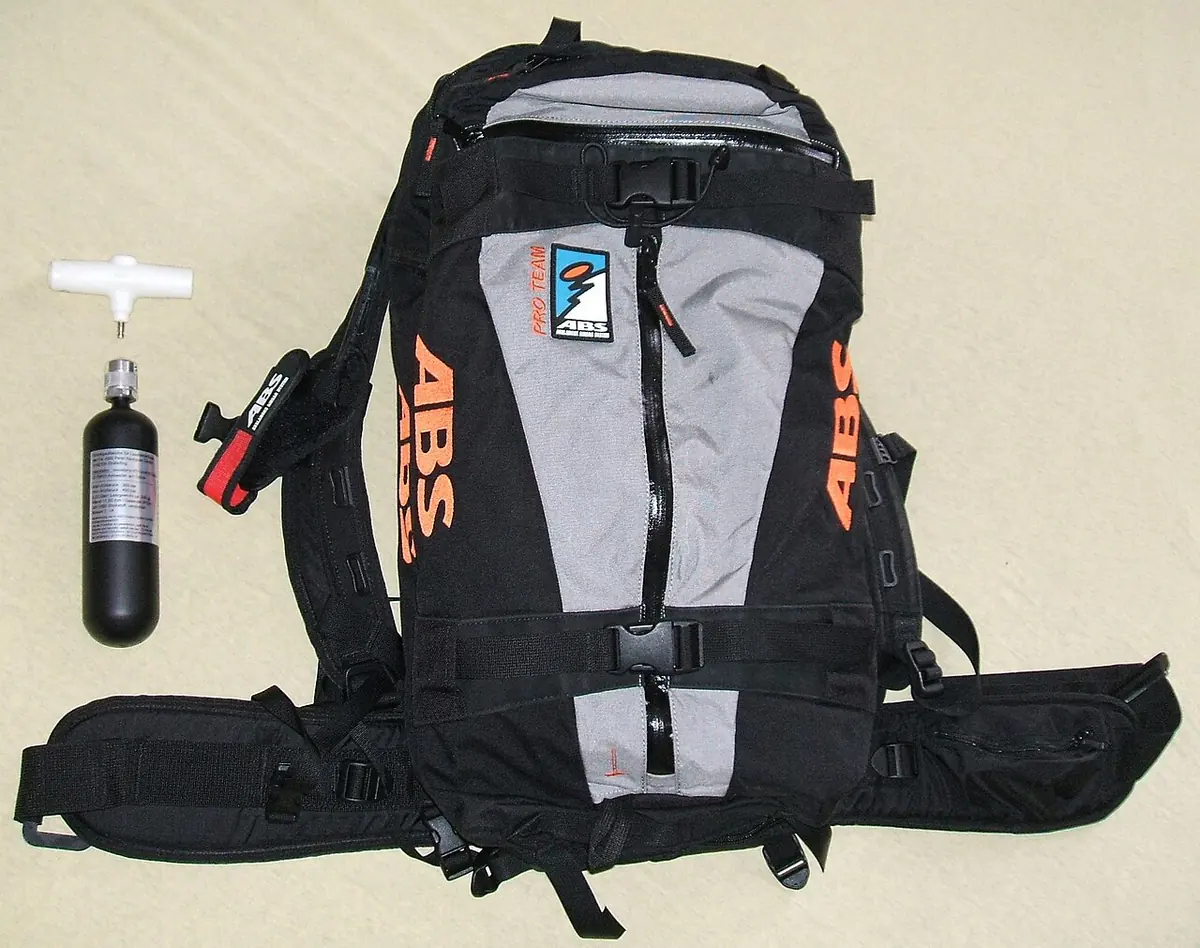
An avalanche airbag costs between CHF 560 (cartridge system) and around CHF 1,030 (electronic), and can be hired in some places.
Hiring carries a catch that is rarely mentioned. The biggest source of failure with airbags is that nobody pulls the handle. In the definitive study, twenty per cent of airbags did not inflate, and around sixty per cent of those because deployment never happened. A device whose handle you see for the first time on the day of the accident sharpens exactly that problem. The figures are in our assessment of airbag effectiveness.
Anyone hiring an airbag should therefore at least walk through the deployment dry before setting off. With electronic systems a real practice pull costs nothing; with cartridge systems it costs a refill every time.
What we would recommend
Ordered by season, because the question is really a temporal one.
First season. Hire everything except the emergency set. Buy that. Cost: around CHF 580 once, plus CHF 40 to 70 per touring day.
Second season. If it sticks and the direction is becoming clear, buy the boots. They are the item where fit matters most and hiring serves least.
Third season. Skis, bindings and skins, now matched to what you actually do.
Eventually. The airbag, if at all. It is the most expensive item with the hardest benefit to pin down, and it is the only part of the kit you can leave out without the others losing their effect.
Across three winters this order costs roughly the same as buying everything at once, and it has an advantage no calculation captures: at the end you own the equipment that suits what you do, rather than the equipment you thought in your first winter you would need.
Sources and caveats
- Prices: Swiss specialist retail and hire shops, as of August 2026. Touring set-up hire CHF 40 to 70 per day, with substantial discounts over several days. Purchase of a complete entry-level set-up from around CHF 1,400. Emergency set from CHF 579. Airbag from CHF 559 (cartridge) or around CHF 1,029 (electronic).
- Break-even is our own calculation, without resale value, without maintenance, without wear items such as skins. All three push the point further out, that is, in favour of hiring.
- Airbag failure rate 20 per cent, of which around 60 per cent non-deployment, after Haegeli et al. (2014).
- The notes on transceiver service life follow the usual manufacturer recommendations and are not a binding deadline.
This piece works out costs. Handling the equipment is practised, not read; courses are run by the SLF and the SAC.