The European summer of 2026 brought Alpine ski operations to a near standstill in midsummer for the first time in years. Because a lot of numbers are getting mixed up along the way, here is an ordered stocktake – including a correction that surprised us too.
The heatwave came earlier than people remember
The core of the event was not in late July but in June. From 17 and 18 June 2026, a stable high-pressure system settled over western Europe in what is known as an omega block, and stayed there. In France the wave lasted until 2 July, sixteen days without a break. On a single Wednesday, daytime temperatures were above 35 degrees for around 94 million people in Europe, mostly in Spain and France.
Within one weekend, absolute national records fell in at least seven countries: the Czech Republic, Germany, Luxembourg, Slovakia, Poland, Hungary and Denmark.
The correction: Switzerland and Austria were not among them
This is worth a closer look, because both countries regularly get named in summaries. The chart shows why that matters:
The striking part: the Swiss all-time record of 41.5 °C dates from 2003 and still sits above what Germany newly set in 2026. The Austrian record of 40.5 °C was narrowly missed and also held.
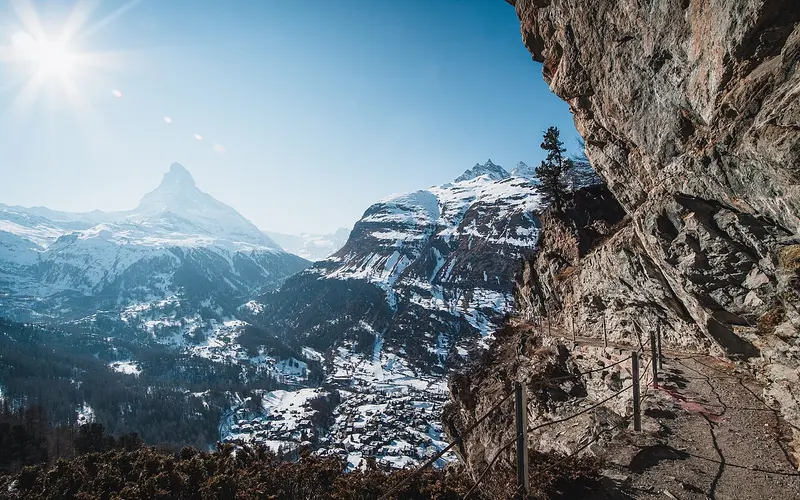
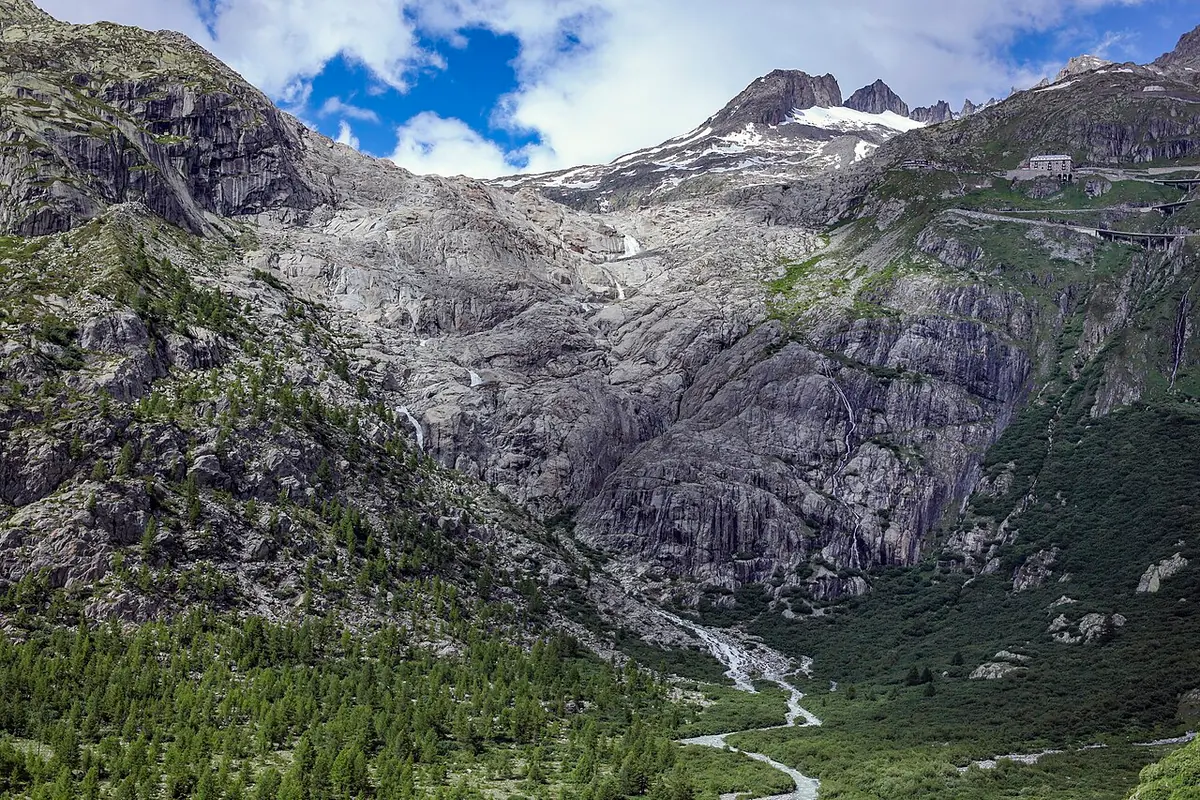
So the reason the Alpine glaciers suffered so badly has nothing to do with a new peak reading in the lowlands. Something else was decisive: the duration of the warmth and the absence of night-time cooling at altitude. For a glacier, a week without frost at 3,000 metres is more damaging than a single 41-degree day on the plateau. That is exactly what forced Zermatt to halt summer skiing at the end of July, and why the glacier loss day fell as early as 29 June.
The wildfires in France
The most severe fires of the French season were in the south-west, in the Gironde and the Landes around the Bassin d’Arcachon. The figures:
- around 42,000 hectares burnt
- roughly 224,000 people evacuated at the peak
- as of 31 July, about 160,000 of them were able to return
The situation near Bordeaux has stabilised and the A63 motorway reopened on 1 August. Two active fire zones remained, on the Cap Ferret peninsula and south of Lacanau, joined by new fires near Brignoles in the Var, near Fontainebleau, around Dijon and between Marseille and Aix.
Contrary to some reporting, the major fire is therefore not out of control – but nor is it out: crews expect it to take weeks or months before every hotspot is extinguished. European civil protection warns of elevated wildfire risk until at least the end of August.
What you may and may not read into this
A single hot summer is not a climate trend, and a record winter in the Andes does not refute warming. Both are weather events. It only becomes meaningful when you count how the frequency of such events shifts over decades. Why that distinction is not pedantry is set out in Weather or climate.
For glaciers, though, something particular applies: they are a store, not a snapshot. A single hot summer does not go away again; it stays in the system as missing mass. That is why the sequence of the summers of 2003, 2015, 2018, 2022 and now 2026 says more than any one of them alone.
Sources: MeteoSwiss and national weather services (record values), Wikipedia overview “Heatwaves in Europe 2026”, NZZ and ZDF on the June heatwave, ADAC situation report on wildfires in southern France (as of 31 July 2026), Météo France. Figures on fires and evacuations are snapshots and change continuously.