In early August there is less summer skiing available in the Alps than almost ever: Zermatt stopped operations on the Theodul glacier at the end of July and Saas-Fee follows on 10 August, leaving the Stelvio Pass. Anyone who wants proper winter right now has to head for the other half of the planet. The season there is at its peak – but with wildly different conditions depending on where you look.
The Andes: an exceptional winter
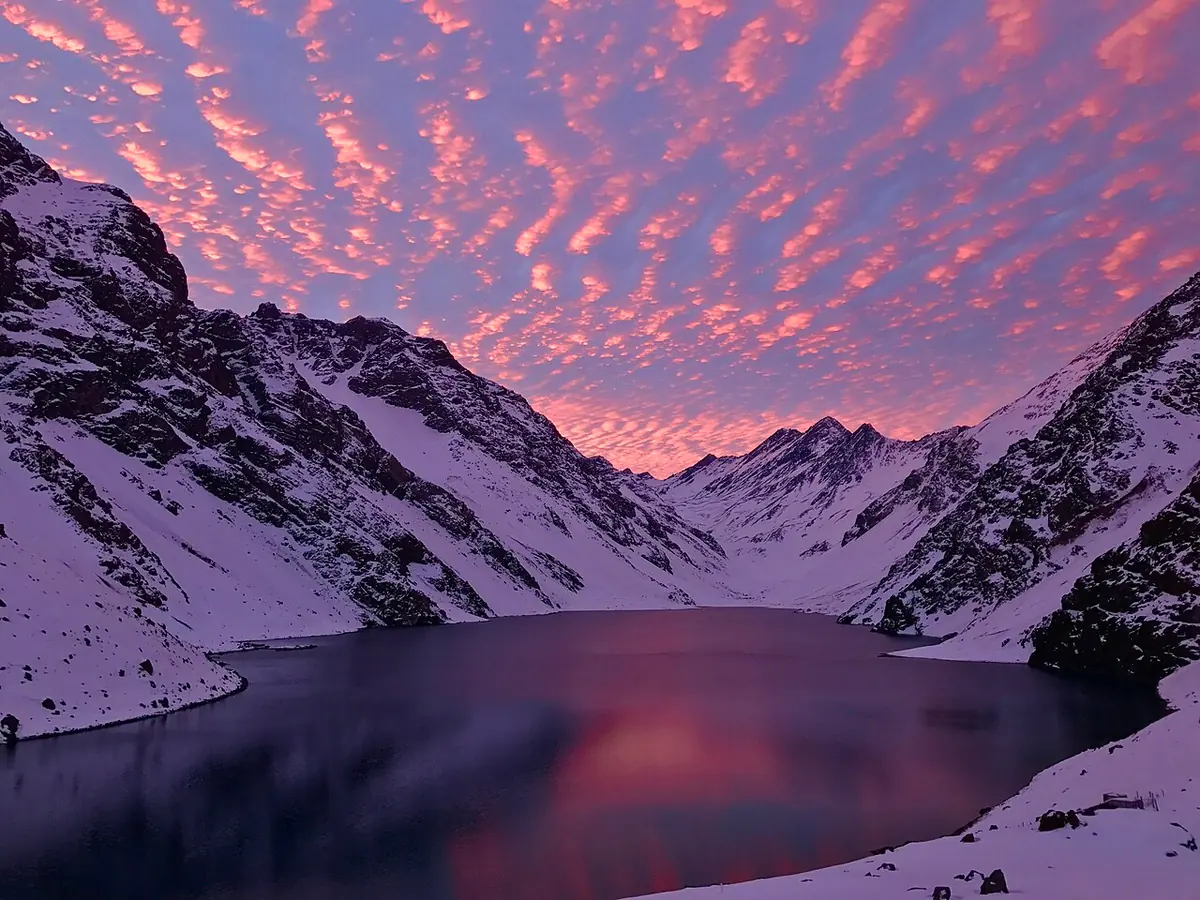
Chile and Argentina are having by far the best winter of the three regions. The cause is the record storm of mid-July, which dumped around five metres of snow on Portillo between 15 and 23 July alone.
| Resort | Country | Situation at the end of July 2026 |
|---|---|---|
| Portillo | Chile | around 6 m season total, 270 cm on the Plateau run |
| Valle Nevado | Chile | all 13 lifts and 44 of 45 runs open |
| Corralco | Chile | 205 cm summit, 115 cm base |
| Nevados de Chillán | Chile | main operations since 18 July, plus night skiing |
| Las Leñas | Argentina | 230 cm summit, 120 cm mid-mountain, 80 cm base |
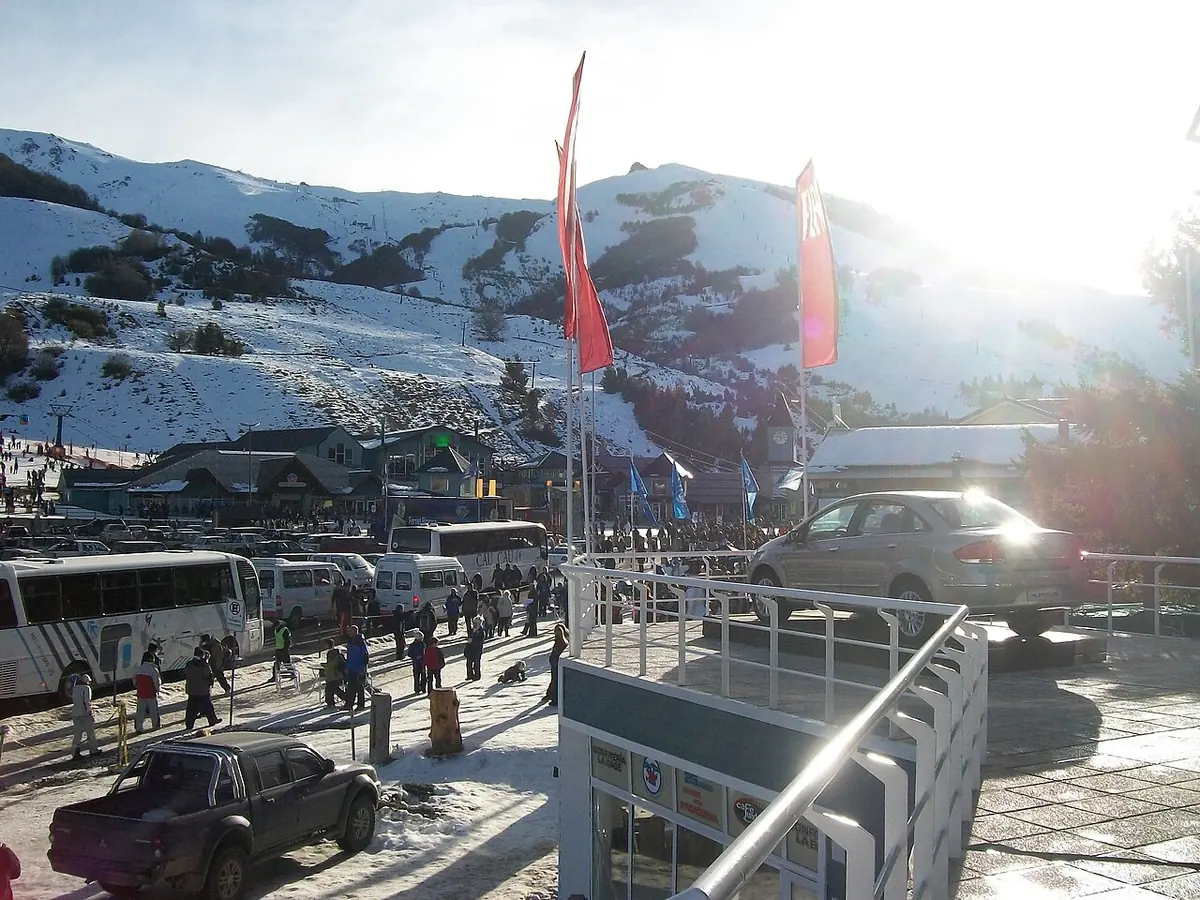
| Cerro Catedral | Argentina | 30 to 40 cm of fresh snow in the upper sectors |
| Cerro Castor | Argentina | wide choice of terrain open, snow park running |
Worth knowing if you are planning a trip: the Cristo Redentor pass between Santiago and Mendoza was closed until at least 5 August, and some access roads require snow chains. If you are travelling there, check road conditions daily.
Australia: thin, but skiable
Things look considerably leaner in the Snowy Mountains and in Victoria. At the end of July the weather there was dry and sunny with daytime highs around 10 degrees. The nights were at least cold enough for snowmaking, and that is what the season is currently living on.
That is operating, but it is not a dream season. If you are heading to Australia, stick to the high-altitude sectors: the upper parts of Perisher, Eagles Nest at Thredbo, or Hotham.
New Zealand: solid
New Zealand sits in between and made the clearest gains at the end of July. Most resorts were 60 to 100 per cent open, with a steady trickle of new snow: a few centimetres in the Southern Lakes, 5 to 15 cm in Canterbury and up to 15 to 30 cm on Ruapehu.
So what does that mean for a trip?
Soberly assessed:
- Best snow: Chile, by a distance. The trade-off is infrastructure still recovering from the storm.
- Most predictable: New Zealand. Solid base, orderly operations, short distances between resorts.
- Australia: it works, but it leans heavily on snowmaking. Choose altitude.
Depending on the resort, the southern season runs until the end of September, and in some Andean resorts possibly longer given this snowpack. We will update this overview if the situation changes significantly.
Sources: snow-forecast.com (southern hemisphere weekly roundups), The Ski Guru (Andes situation report, 30 July 2026), SnowBrains, figures published by the resorts named. Snow depths are snapshots from the end of July 2026 and age quickly – check with the resort itself before you travel.