On 7 July 2026 the International Olympic Committee confirmed that freeride skiing and freeride snowboarding will join the programme of the 2030 Olympic Winter Games in the French Alps.
That is remarkable, because until four years ago freeride could not have become an Olympic sport at all. It belonged to no international federation.
The key facts
| IOC decision | 7 July 2026 |
| Games | Alpes 2030, French Alps |
| Medal events | 4 |
| Athletes | 44, of them 22 women and 22 men |
| Venue | not yet determined |
The venue and the placement within the programme will be announced later by the organising committee. Exactly how the four events split across skiing and snowboarding is also not yet confirmed.
The road there
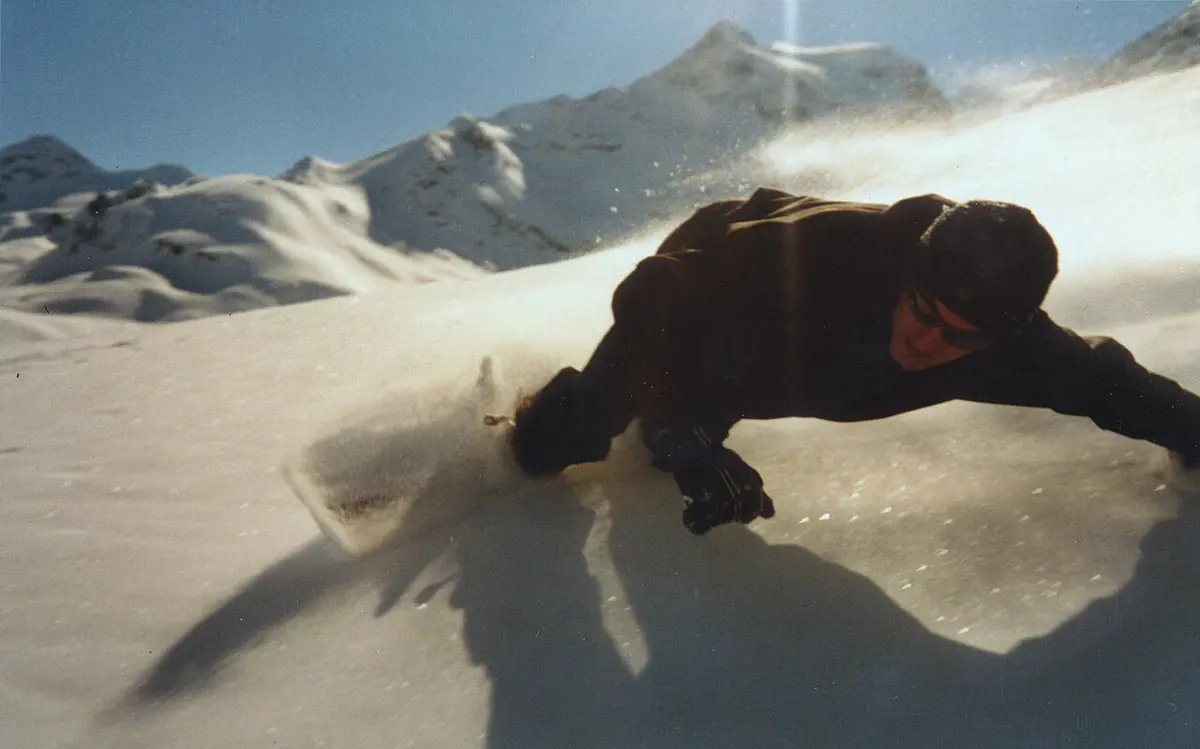
Freeride was for decades the opposite of organised sport: no rules beyond the mountain, no measurement beyond a judging panel, no federation. The Freeride World Tour was a privately run competition circuit.
| When | What |
|---|---|
| 2022 | The Freeride World Tour becomes part of FIS |
| 2024 | Freeride skiing and snowboarding become their own FIS disciplines |
| February 2026 | First FIS Freeride World Championships |
| 7 July 2026 | The IOC admits freeride to the programme of the 2030 Games |
| 2030 | Olympic Winter Games in the French Alps |
Four years from joining FIS to the Olympic programme is exceptionally fast for a sport. By comparison, ski mountaineering racing took roughly two decades from international organisation to its Olympic debut in Milano Cortina.
The IOC cites as reasons the sport’s international growth, a young audience, the visual impact of the competition, and an argument that counts increasingly for the Games: freeride needs no built venue. It takes place in natural terrain and leaves behind no halfpipe standing empty after the Games.
What it means for Switzerland
Freeride as a competitive sport grew up in Switzerland, and the most important place for it is a mountain in Valais.
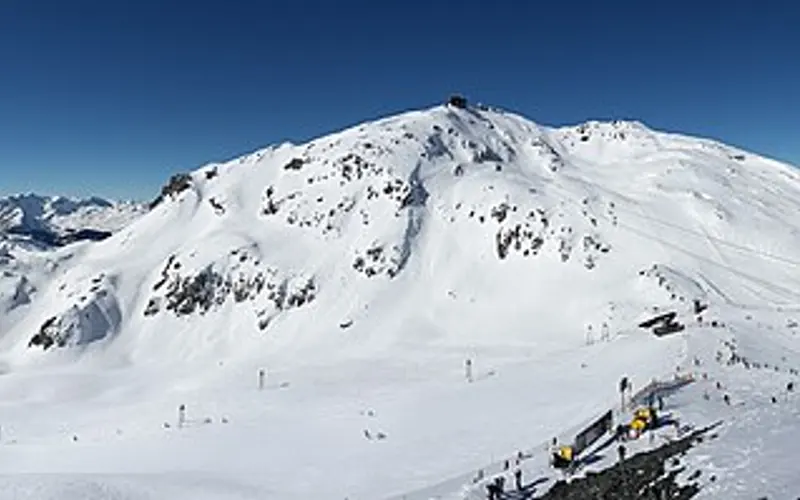
The Bec des Rosses above Verbier has hosted the tour final since the beginning. 3,223 metres high, around 600 metres of competition vertical, slope angles around 43 degrees. It is regarded as the hardest terrain on the whole calendar, and it is the reason Switzerland plays a part in this sport far out of proportion to its size. More in our portrait of the Xtreme Verbier.
What the Olympic decision changes in practice cannot yet be said seriously. What can be foreseen:
Money and structure will arrive. Olympic sports get federation funding, youth squads and places at sports schools. For a sport in which athletes have largely funded themselves, that is a large change.
A qualification system will arrive. Forty-four starting places worldwide is very few. There will be a points system and a national selection, and with it a structure freeride has had only in rudimentary form.
And an argument will arrive. In a sport whose self-image rests on everyone finding their own line, standardisation is not uncontroversial. Part of the scene sees admission as recognition, another part as the beginning of the end of what freeride is. Both camps exist, and both have a case.
The question nobody likes to ask
There is a point at which this decision collides with the rest of our coverage, and we would rather write it down.
A freeride competition takes place in unsecured terrain. It is assessed by specialists, held on a chosen day and postponed in unfavourable conditions, but avalanche danger cannot be brought to zero. Last winter showed that experienced freeriders die in avalanches in Europe too, and in disproportionate numbers.
The Olympic frame will not change that, but it will multiply the visibility. What that means for the number of people who subsequently ski off-piste themselves will only be known after 2030. It is why we have filed this piece under safety rather than sport.
Sources and caveats
- Freeride World Tour, statements on Olympic integration: IOC decision of 7 July 2026, four medal events at Alpes 2030, 44 athletes (22 women, 22 men). Venue and schedule to be announced later by the Games organising committee; the exact split of the four events across skiing and snowboarding is not confirmed.
- Timeline: the Freeride World Tour became part of FIS in 2022, freeride skiing and snowboarding became official FIS disciplines in 2024, and the first FIS Freeride World Championships took place in February 2026.
- Gender balance: according to the organisers, Alpes 2030 will be the first fully gender-balanced Winter Games in their 106-year history.
- Figures for the Bec des Rosses: 3,223 metres, around 600 metres of competition vertical, slope angles around 43 degrees, according to the Freeride World Tour.
- The assessments of funding, qualification and the debate within the scene are our own reading and not an announcement by any federation.
On the substance, here as everywhere: freeride takes place in unsecured terrain. Anyone doing it themselves needs training with the SLF or the SAC, not a televised competition as a model.